
Introduction: The World of Off-Market Lakefront Properties
In the Finger Lakes, the most rarefied opportunities often trade quietly. Owners of exceptional shorefront estates prefer privacy, and buyers want first look at properties that never appear online. For those pursuing off-market lakefront estates Canandaigua, success hinges on access—specifically, access to relationships, information, and a process designed to respect discretion at every step.
Canandaigua Lake sits at the crossroads of natural beauty and sophisticated living. Ultra-limited shoreline, generational ownership, and tight-knit communities create an environment where introductions matter as much as offers. This guide demystifies how private transactions work, how to position yourself for early opportunities, and what to expect when evaluating and negotiating a high-value waterfront purchase in Western New York.
You’ll find practical tactics used by experienced buyers and local advisors, terms and timelines calibrated to off-market deals, and diligence checklists tailored to the unique complexities of lakefront ownership. Whether you’re relocating to New York or upgrading your Finger Lakes lifestyle, the path to an unlisted estate is navigable—with the right strategy and a trusted team.
Understanding Off-Market Real Estate Sales
An off-market or “private” sale is a property transaction that is not actively advertised through public listing services. Instead, it moves through direct outreach, agent networks, private client lists, and discreet word-of-mouth. You may hear variations:
- Office exclusive: marketed only within a single brokerage to preserve seller privacy while remaining compliant with MLS rules.
- Whisper or pocket listing: shared selectively with vetted buyers and agents by permission of the seller.
- Buyer-led acquisition: the purchaser initiates contact with specific owners through letters, introductions, or advisors.
Sellers choose private routes for several reasons: confidentiality, reduced foot traffic, schedule control, and the ability to test price and terms with serious, pre-qualified buyers. For buyers, the advantages include early access, fewer bidding frenzies, and conversations tailored to the property’s unique attributes rather than a one-size MLS template.
Private sales still require rigor. In New York, all parties remain bound by fair housing laws, agency disclosure, and ethical standards. Well-structured off-market deals document price, timing, contingencies, and confidentiality just as thoroughly as public deals. Expect non-disclosure agreements, proof-of-funds verification, and appointment-only showings. When handled correctly, off-market does not mean opaque; it means curated.
Why Canandaigua Lakefront Estates Are Highly Sought After
Canandaigua Lake offers a rare blend of natural clarity, depth, and access. The 15.5-mile-long, glacier-carved lake is prized for boating, sailing, and panoramic views of the Bristol Hills. Its north end anchors a vibrant cultural scene—CMAC concerts, galleries, dining, and Sonnenberg Gardens—while the southern stretches deliver serenity and estate-scale privacy. That duality draws discerning buyers who want both a retreat and a refined home base.
Inventory is structurally limited. Much of the shoreline is long-held or protected by topography, and the most desirable parcels combine gentle slopes, broad lake frontage, and year-round access. Micro-markets along West Lake Road/West Lake Boulevard and East Lake Road have distinct sun patterns, wind exposure, and entry points to marinas and the Canandaigua Yacht Club. Historical sales illustrate the caliber of properties that set the tone for value, including a West Lake Boulevard estate with commanding shoreline and a Cottage City Road estate near classic lake amenities.
Location advantages reinforce demand. Rochester’s business hubs and airport sit within easy reach; ski weekends at Bristol Mountain and tastings along the wine trails are quick drives; services and medical care are close. For high-net-worth families seeking luxury waterfront properties New York, Canandaigua bridges lifestyle and logistics—an increasingly rare combination in a market where the most coveted estates seldom reappear for decades.
Building Relationships with Local Real Estate Networks
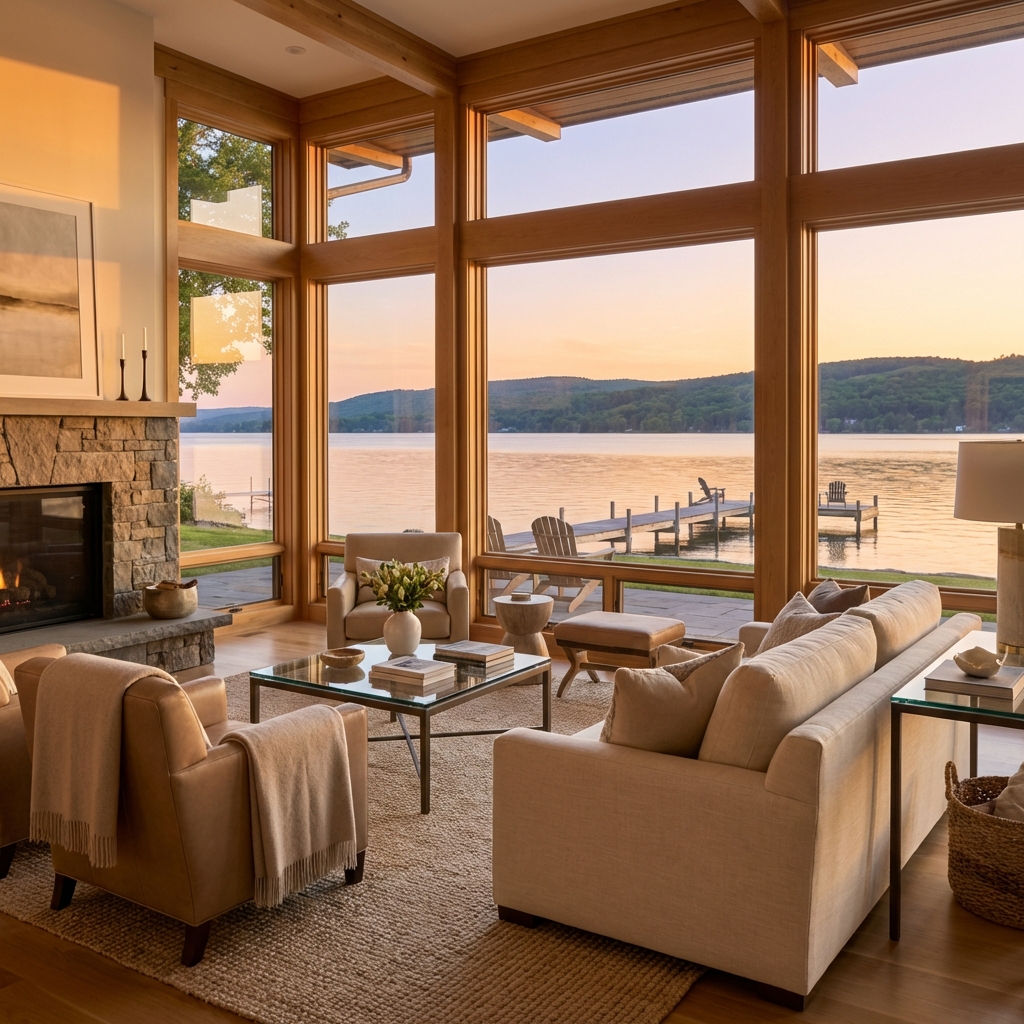
In Canandaigua, the first hearing of an unlisted opportunity often comes through people, not platforms. Building rapport within the community expands your surface area for discovery and signals that you can transact discreetly.
Consider thoughtful engagement with:
- Experienced local agents who specialize in waterfront; they triage inquiries from owners quietly testing the market.
- Estate planning attorneys, wealth managers, and CPAs who hear about upcoming life events and asset transitions before the public does.
- Custom home builders, architects, and dock installers who notice when homeowners start to consider change.
- Marina operators and yacht/boat clubs that form natural hubs for lakefront owners.
- Property managers and caretakers—often the first to know when family usage patterns shift.
Etiquette matters. Introductions carry more weight than cold calls, and targeted letters to specific streets or shoreline stretches can be effective if they are respectful, concise, and financially credible. Confidentiality is currency. The fastest way to be excluded from off-market conversations is to overshare, disregard showing rules, or attempt to bypass trusted intermediaries.
The Role of Real Estate Agents in Off-Market Access
For off-market acquisitions, a seasoned buyer’s agent is your access strategy. The right professional will maintain private seller contacts, track whisper opportunities, and proactively propose properties that aren’t circulating publicly. They assemble a vetting packet—proof of funds, buyer profile, timeline, and preferences—so owners have confidence before allowing a showing.
A capable agent’s behind-the-scenes work includes:
- Daily outreach to other brokers and past clients for early signals of availability.
- Strict confidentiality protocols and NDAs to protect all parties.
- Pre-screening of property fit to avoid unnecessary showings and preserve seller privacy.
- Analysis of unobvious comparables across Finger Lakes micro-markets, docks, frontage, and improvements.
In New York’s attorney-driven system, agents also coordinate with legal counsel to structure offers cleanly and ensure compliance with fair housing. Because office-exclusive listings and private client opportunities move quickly, an agent’s speed and reputation become decisive. Sellers trust agents who bring respectful, prepared buyers; buyers benefit from agents known for performing without surprises.
Working with Luxury Real Estate Specialists
In a market shaped by one-of-a-kind estates, generalist playbooks fall short. A luxury specialist blends valuation acumen with discretion, logistics, and white-glove execution. The Deanna Nissen Real Estate Team operates as a boutique firm focused on extraordinary homes across the Finger Lakes and Western New York—bringing a quality-over-quantity service model that suits private lakefront trades.
What distinguishes a specialist at this level:
- Precision valuation of unique configurations—wide frontage, boathouses, guest cottages, legacy landscaping, and buildable reserve areas.
- Curated shortlists and confidential first looks, including private estate listings Canandaigua owners will consider only for the right buyer.
- Sophisticated offer strategy that favors terms and structure, not just headline price.
- Access to a vetted ecosystem: lake engineers, shoreline contractors, well and septic experts, and premium insurers.
A specialist also anticipates the unspoken needs of lakefront ownership—winterization plans, ice-heave protections, and heritage tree preservation—so deals are engineered to align with long-term stewardship. If you value discretion and precision, align with a team attuned to luxury norms in the Finger Lakes. Their professional home valuation services help calibrate expectations before you enter confidential discussions.
Key Strategies for Finding Unlisted Properties
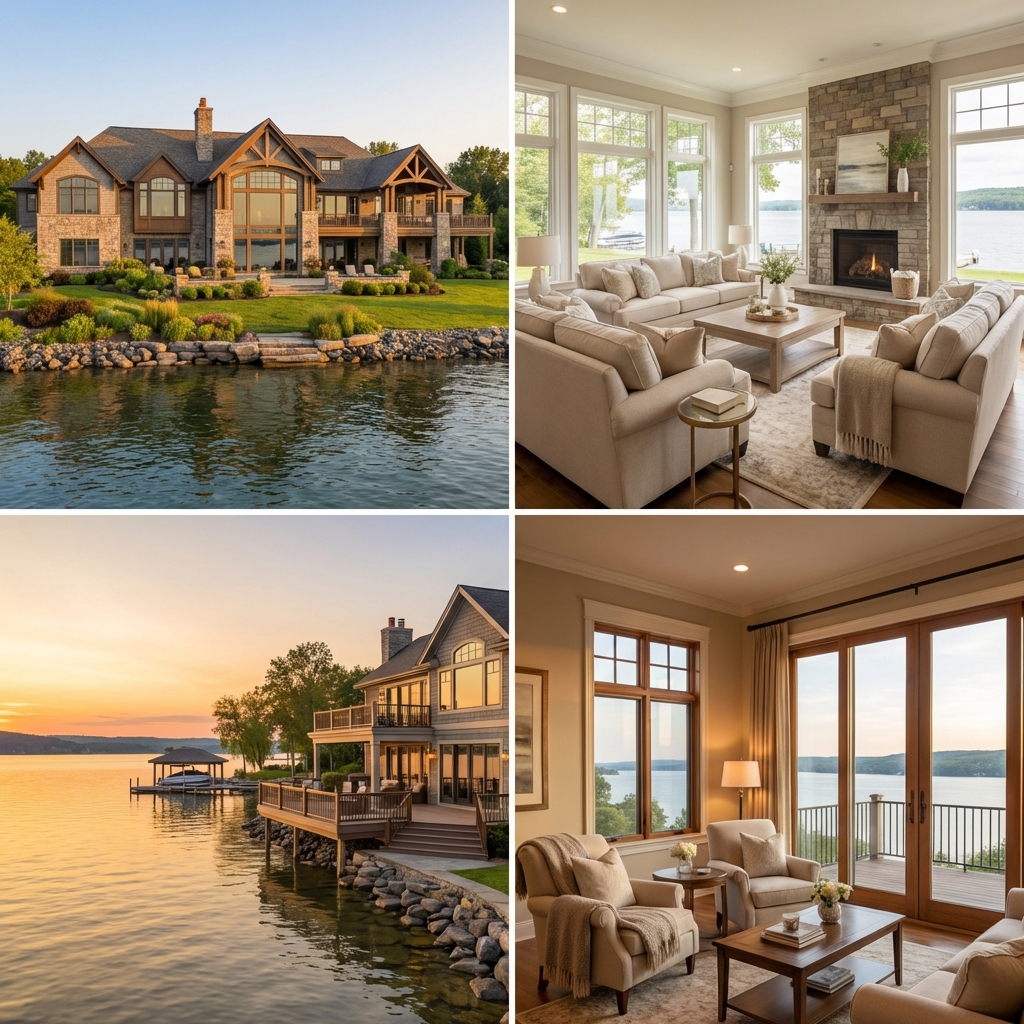
Serious buyers employ a portfolio of tactics to surface opportunities that never hit public channels. Consider combining these approaches for high-end waterfront real estate access:
- Targeted owner outreach: Write succinct, respectful letters to a handpicked set of properties that match your criteria. Include your agent’s contact, proof of qualification, and a flexible closing window.
- Reverse prospecting with your agent: Share exact parameters (frontage, dock depth, privacy requirements), and allow your agent to quietly query colleagues and past sellers who passed on listing.
- Office exclusives and private networks: Agents with luxury portfolios may share office-exclusive properties under strict confidentiality, in compliance with MLS and brokerage policies.
- Builder and architect intelligence: Monitor permits and renovation signs; a major project can signal evolving ownership plans.
- Seasonal timing: Owners often reassess after summer or ahead of winterization. Late fall through early spring is productive for confidential conversations.
- Rent-to-know: Arrange a season-long rental adjacent to your ideal area; neighbors will often provide introductions once they see you’re a fit for the shoreline culture.
- Lifestyle touchpoints: Discreetly engage at lakeside charities, yacht club events, or local arts galas—not to “prospect,” but to build authentic relationships that lead to quiet referrals.
- Data-led targeting: Your advisor can analyze ownership tenure, LLC records, and parcel maps to identify estates least likely to have near-term public listings but most likely to entertain a private approach.
The goal isn’t volume; it’s focus. A thoughtful, credible presence unlocks doors that scattershot requests won’t.
Financial Preparation and Pre-Approval Importance
Off-market sellers prioritize certainty. Before requesting a private showing, assemble a financial package that demonstrates you can close smoothly at luxury price points common to exclusive lakefront homes Finger Lakes.
Key moves:
- Proof of funds or private banker letter: For cash purchases, a redacted statement from a recognized institution. For financing, obtain a jumbo pre-approval from a lender experienced with unique waterfront assets, or a portfolio lender open to exceptions.
- Appraisal strategy: Waterfront uniqueness can challenge appraisals. Prepare to add an appraisal gap clause, expand the appraisal radius across comparable Finger Lakes, or increase down payment to mitigate risk.
- Strong earnest money and milestones: Larger, phased deposits signal commitment. Align deposit releases with completed milestones (inspection, title, survey).
- Entity structure: Decide whether to purchase in your personal name, trust, or LLC. Discuss privacy, liability, and financing implications with your attorney and tax advisor.
- Insurance and risk: Secure quotes for lakefront coverage, including wind, dock/boathouse structures, and umbrella liability. Review floodplain maps and carriers’ appetite for shoreline risks.
- New York transfer costs: Budget for state transfer tax (commonly paid by the seller), mortgage recording tax for financed purchases, and the statewide 1% “mansion tax” on residential transactions of $1 million or more. Consult your attorney for current rates and any local nuances.
Time kills private deals. When your banker, attorney, and advisor are coordinated early, you can respond within hours to a quiet opportunity and control timelines rather than chase them.
Due Diligence for Waterfront Estate Purchases
Waterfront’s beauty comes with specialized diligence. A thorough, lake-specific review protects your investment and avoids surprises after closing.
Focus on the following:
- Littoral rights and shoreline: Confirm what portion of the shoreline and lakebed you can lawfully use. Review dock, hoist, and mooring permissions and any transferability of rights or memberships.
- Permits and improvements: Verify permits for boathouses, seawalls, piers, and shoreline stabilization. In New York, certain in-water or near-shore work may require approvals from state environmental authorities and local municipalities. Ask for as-builts and maintenance records.
- Septic and water: Many estates rely on private septic systems and wells outside municipal service areas. Order capacity tests, dye tests, and water potability results. Understand current compliance standards and potential upgrade costs.
- Erosion, slope, and trees: Evaluate shoreline erosion, ice heave history, and steep-slope regulations that may limit future grading or tree removal. Seek input from shoreline engineers familiar with Canandaigua Lake.
- Surveys and encroachments: Obtain a current survey that shows the mean high-water line, easements, and any right-of-way for lake access roads. Confirm that stairs, decks, and docks are within boundaries.
- Environmental health: Review records of harmful algal blooms (HABs), water clarity trends, and invasive species. Understand mitigation practices and how they affect swimming areas or intakes.
- Zoning and usage: Check local rules regarding short-term rentals, guest cottages, accessory structures, and setbacks from the water. Certain towns and the Canandaigua Lake watershed communities have distinct permitting and rental policies.
- Utilities and resilience: Confirm electrical service to docks, generator coverage for critical systems, winterization protocols, and shoreline structures rated for ice and wave action.
When possible, tour by water and land. Seeing wave exposure, afternoon sun, neighboring usage, and boat traffic firsthand can materially refine both valuation and lifestyle expectations.
Negotiation and Deal Structure Considerations
Negotiation off-market is often more bespoke than competitive. The most compelling offers combine clean economics with seller-friendly structure and privacy assurances.
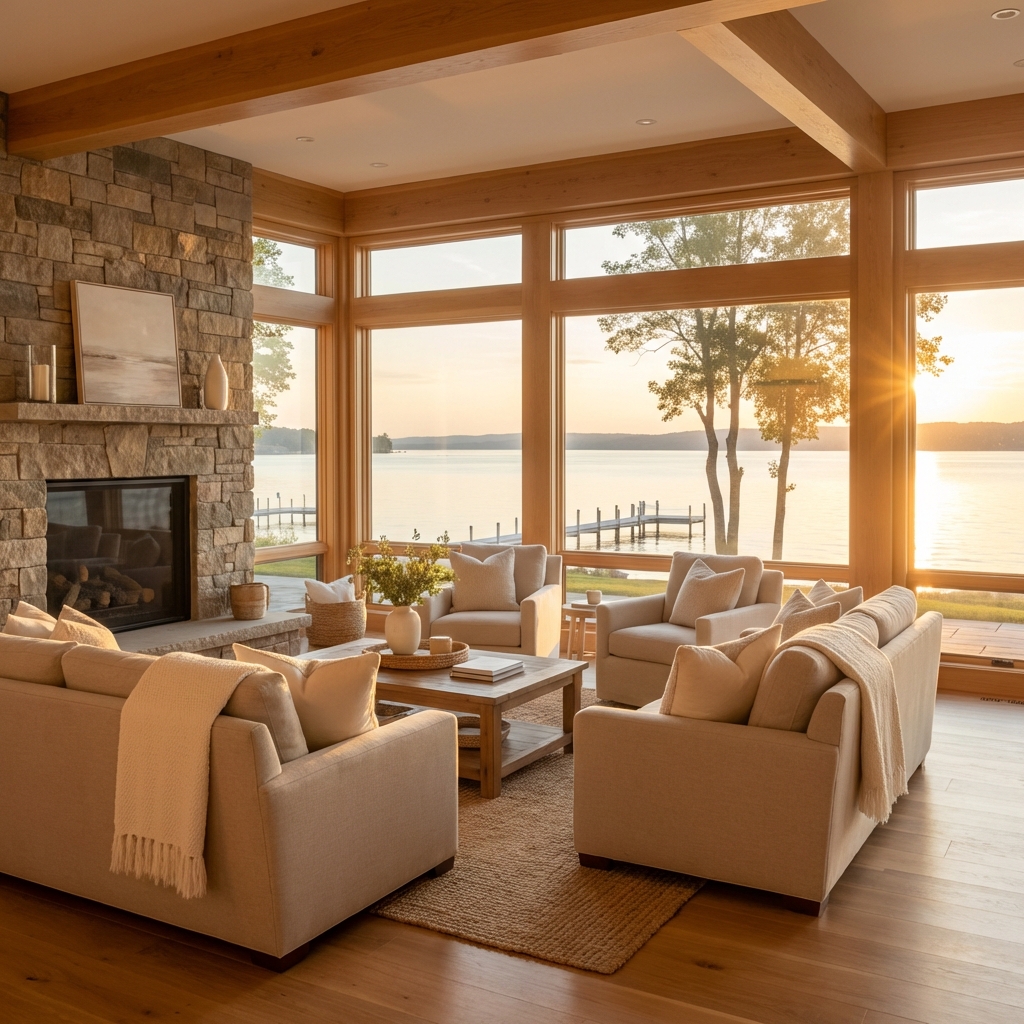
Elements to consider:
- Confidentiality clauses: Many sellers require non-disclosure about price and terms. Ensure your lender, attorney, and appraiser can operate under those constraints.
- Inspection design: Use targeted inspections with waterfront specialists (dock, seawall, septic, shoreline engineering). Pair reasonable timeframes with a focus on material conditions.
- Credits and holdbacks: If upgrades (e.g., septic replacement, shoreline stabilization) are anticipated, structure escrow holdbacks or credits with agreed scopes and contractor estimates.
- Personal property: Boats, lifts, furnishings, and watercraft equipment are often negotiable. Clarify bill-of-sale details to avoid lender and tax issues.
- Post-closing occupancy: Offer a rent-back or license agreement if the seller needs time to transition, especially before or after peak lake season.
- Appraisal and financing safeguards: When comparables are thin, appraisal contingencies can sink deals. Consider gap coverage, appraisal waivers with lender consent, or a larger down payment to bridge uncertainty.
- Attentive timelines: A seller-first calendar—weekend showings, limited disruption windows, elongated attorney review—can win you access ahead of competing buyers.
Remember that value on the lake is seldom purely formulaic. Frontage, approach, privacy, and intangible serenity are priced in. Your advisor’s micro-market insight prevents overpaying—and missing a one-in-a-generation fit.
Closing the Deal on Your Dream Lakefront Home
New York is an attorney state, and waterfront closings carry extra layers. A disciplined path to the finish line ensures a smooth handoff for both sides.
A concise closing roadmap:
- Attorney engagement: Retain counsel experienced in luxury waterfront properties New York. Align early on title, survey, and entity decisions.
- Title and survey: Order a comprehensive title search and an instrument survey showing shoreline structures, easements, and encroachments. Address any riparian/littoral rights questions in writing.
- Inspections and insurance: Complete lake-specific inspections and secure binding insurance coverage, including any flood or shore-structure endorsements.
- Financing finalization: Lock terms, coordinate appraisal logistics under confidentiality, and deliver all lender conditions promptly.
- Municipal and watershed compliance: Verify permits and certificates for docks, seawalls, septic systems, and renovations. Confirm no outstanding violations or open permits.
- Final walk-through: Include dock operations, water systems, shoreline lighting, generator tests, and winterization plans if closing in cooler months.
- Post-closing onboarding: Transfer boat slips or club memberships if applicable, schedule dock install/removal services, and set up caretaking for landscaping, snow, and shoreline maintenance.
Your agent should orchestrate these moving parts alongside your attorney and lender. In an off-market context, the quietest closings are the best ones—precise, private, and right on time.
Conclusion: Your Path to Canandaigua Waterfront Living
Private access on Canandaigua is earned through preparation, relationships, and a process designed for discretion. Understand why owners choose confidentiality, align with an advisor who lives the lakefront market every day, and present yourself as a ready, thoughtful steward of an extraordinary property. That approach consistently opens doors to unlisted luxury properties Finger Lakes buyers covet but rarely see.
For many, engaging a boutique, lake-savvy team becomes the catalyst. The Deanna Nissen Real Estate Team combines specialized waterfront expertise, comprehensive buyer representation, and in-depth Finger Lakes knowledge to guide clients from first whisper to keys-in-hand. If off-market lakefront estates Canandaigua are your goal, start by calibrating value, assembling your financial readiness, and initiating discreet outreach with a trusted advisor. With intention and the right relationships, your place on the water is closer than it appears.
Frequently Asked Questions (FAQ)
What exactly are off-market lakefront estates in Canandaigua, and how can I find them?
They’re properties sold without public advertising—often as office exclusives, seller-direct, or through private networks. To access them, connect with a lake-focused agent, sign any required NDA and buyer-representation agreement, and ask to be notified of office exclusives. Expand your reach by networking with local attorneys, wealth managers, dock installers, and lake associations, and by tracking withdrawn/expired MLS listings or discreetly mailing targeted shoreline owners.
What proof do sellers usually require before granting access to a private showing?
Expect to provide a recent proof-of-funds letter on financial-institution letterhead (often dated within 30 days) or a fully underwritten jumbo pre-approval if financing. Many sellers also request a signed NDA and limited sharing of property details. Showing readiness—flexible timing, the ability to post a meaningful earnest deposit, and concise contingency timelines—helps secure access.
What due diligence is critical for Finger Lakes waterfront estates?
Verify riparian rights and the legality of docks, boathouses, and shoreline structures with the municipality and NYSDEC. Order a current boundary and elevation survey, assess flood and erosion risk, and have specialists inspect septic systems, water supply (well/intake vs. municipal), and shoreline stabilization. Review easements, private-road maintenance agreements, and any HOA or short-term rental rules that could affect use.