
Introduction: Why Luxury Homes Demand Professional Management
Professional Property Management for Finger Lakes Luxury Homes: Expert Care Guide
High-value residences, especially lakefront estates, require a stewardship model that goes far beyond routine maintenance. A single mechanical oversight, a poorly timed vendor visit, or a security lapse can jeopardize irreplaceable finishes, custom millwork, art collections, shoreline structures, and—most importantly—your peace of mind. Professional luxury home property management brings the systems, personnel, and accountability needed to protect complex assets while respecting owner privacy and lifestyle.
The Finger Lakes and Western New York present distinct operating conditions for luxury estates: dramatic seasonal swings, lake-effect snow, freeze-thaw cycles, steep lakeside grades, evolving shoreline regulations, and the unique wear that water and wind impose on materials. Waterfront properties in particular have marine assets, erosion controls, and boathouse environments that call for specialized oversight. Without a disciplined plan and a well-managed team, even new builds can show premature wear and incur avoidable risk.
For high-net-worth families, luxury home property management is not just about upkeep; it’s about continuity and control. Proactive inspections, real-time monitoring, discreet staffing, and precise financial reporting create an environment where homes perform as designed every week of the year. The Deanna Nissen Real Estate Team regularly advises clients on this level of stewardship, connecting owners with vetted resources and aligning management decisions with long-term value in the Finger Lakes and Western New York markets.
Understanding Luxury Property Management Services
Property management for a high-end estate functions like an integrated operations center: preventive care, vendor orchestration, 24/7 readiness, and owner support are all coordinated through a single, accountable point of contact. While every estate is unique, a well-run program standardizes core services so nothing falls through the cracks.
A comprehensive portfolio of luxury property management services typically includes:
- Scheduled and on-demand property inspections with photo documentation
- Mechanical oversight for HVAC, hydronic heat, geothermal, and dehumidification systems
- Pool, spa, sauna, and steam system maintenance and water chemistry balancing
- Dock, hoist, and boathouse care, with seasonal install/removal coordination
- Landscape, arbor, and shoreline vegetation management with erosion monitoring
- Housekeeping programs calibrated to surfaces and designer finishes
- Protective care for wine cellars, art, and specialty materials (stone, exotic woods)
- Smart home systems management, including network health and device updates
- Snow, ice, and storm-readiness protocols with post-event reporting
- Compliance tracking for local regulations, HOA guidelines, and shoreline permits
- 24/7 emergency response and vendor dispatch
Equally important is the service culture. White-glove standards manifest in small, consistent details: shoe covers on site, nondisclosure agreements for staff and trades, discreet arrivals, and thorough reset checklists after every visit. In the Finger Lakes, managers also juggle lake-level timing for docks, municipal rules that vary by township, and the logistical realities of narrow lakeside roads and steep grades. A seasoned team anticipates these constraints and sequences work accordingly.
For owners who travel frequently, concierge support folds into the program. That can include pre-arrival provisioning, arranging private chefs, receiving fine furnishings, managing vehicle rotations, or preparing watercraft for a morning launch. The result is a home that simply “works”—no troubleshooting, no last-minute scrambling, and no surprises.
Specialized Waterfront Property Maintenance Requirements
Lakefront homes deliver extraordinary experiences, but constant exposure to moisture, wind, and ice calls for a specialized regimen. Waterfront property management services must address both the marine environment and the upland residence to prevent corrosion, structural movement, and water intrusion.
Key considerations for lakefront home management include:
- Shoreline structures: Routine inspection of seawalls, riprap, and revetments ensures they handle wave action and ice shove. Small voids and undermining become big failures if ignored through winter.
- Docks and hoists: Schedule professional install/removal windows around lake levels and weather. Inspect pilings, fasteners, electrical runs, and lift cables; lubricate gears and service motors annually.
- Boathouses: Humidity control is essential—dedicated dehumidifiers, vapor barriers, exhaust, and temperature-stable environments protect interiors, watercraft, and stored gear.
- Drainage on slopes: Hillside homes require subsurface drains, swales, and stone armoring to steer runoff away from foundations and walkouts. Saturated soils add lateral pressure; relief requires engineering, not guesswork.
- Ice and de-icing: Where appropriate, bubbler/de-icer systems protect docks and cribs. Incorrectly placed equipment can worsen heave; placement should follow professional guidance.
- Water quality and intakes: Homes drawing from the lake need filtration, UV treatment, and scheduled testing. Surface debris and algae blooms demand strainer checks and maintenance.
- Invasive species: Zebra/quagga mussels and hydrilla complicate intakes and hulls. Cleaning protocols and periodic inspections keep systems efficient and legal.

Luxury waterfront properties such as a Skaneateles lakefront estate at 2890 W Lake Road demonstrate how premium shoreline assets—elevated docks, custom boathouses, and terraced hardscapes—benefit from a tailored care plan. The materials portfolio on these projects often includes stainless hardware, marine-grade composites, and specialty coatings; all have specific service intervals. Proper documentation of that work not only avoids failure but also substantiates value when it’s time to refinance or sell.
Seasonal Care and Protection for High-End Estates
Western New York’s climate rewards disciplined seasonal routines. Freeze-thaw cycles stress materials; fall leaf loads clog drains; lake-effect snow can add heavy roof loads overnight. A calendar-driven approach prevents damage and makes the most of contractor availability before the first deep freeze.
A robust seasonal program typically includes:
- Autumn preparations:
– Gutter and leader cleaning, downspout discharge checks, and heat cable tests in ice-dam zones – Irrigation blowouts and winter caps, pool/spa winterization, and exterior shower drains – Chimney inspection and cleaning; cap and flue checks for moisture intrusion – Tree risk assessments and pruning near structures and power drops
- Winter readiness:
– Boiler service and glycol checks for hydronic lines in exterior walls or boathouses – Generator load tests under real demand; fuel quality monitoring – Smart thermostat and humidity targets to protect wood floors, plaster, and millwork – Snow management plans for steep drives, path de-icing protocols, and roof snow thresholds
- Spring openings:
– Dock reinstallation scheduling aligned to lake levels and weather windows – Comprehensive inspections to document freeze-related cracks, settling, or movement – Pressure-washing with substrate-appropriate methods; sealants on natural stone as specified – Start-up for irrigation with zone-by-zone leak checks and landscape bed refresh
- Summer sustainment:
– Bi-weekly or monthly exterior walkarounds checking caulk joints, window weeps, and insect activity – HVAC dehumidification tuning for lakeside humidity spikes – Shoreline vegetation health reviews to stabilize soils during summer storms
Well-coordinated seasonal care also addresses interior collections. Wine cellars need calibrated cooling and non-reactive lighting; piano soundboards react to humidity swings; fine art requires stable environments. Professional oversight ensures each specialty space is treated with its proper standard—not just a generic “vacant home” setting.
Security and Access Control Systems
Security for luxury estates is both physical and digital. The goal is seamless protection that respects aesthetics and owner privacy. That requires cohesive planning across gates, cameras, sensors, smart locks, networks, and human protocols.
Foundational elements of a high-end system include:
- Layered perimeter and approach detection using discreetly placed cameras, low-profile bollards, and landscape-integrated sensors
- Smart locks and gate controllers with role-based credentials, time-limited codes, and audit trails for guests and vendors
- Environmental sensors (water, freeze, humidity) and shutoff valves integrated into the central security platform for rapid response
- Network segmentation that isolates security devices from entertainment and guest Wi‑Fi, with routine firmware updates and credential rotation
- UL-listed monitoring with local guard response, plus power redundancy through UPS and standby generation
Aesthetics matter. Audio/visual gear and sensors should be sited to preserve lake views and architectural lines. For waterfront homes, camera housings and mountings need corrosion-resistant materials. Inside, safes or secure rooms protect valuables during service visits, and closed-door policies for certain areas reduce exposure.
Equally critical are the human elements: vendor background checks, nondisclosure agreements, key/code management protocols, and written procedures for unoccupied periods. During peak storm seasons, management should escalate overnight monitoring, confirm camera function before major weather events, and pre-stage response vendors. Discretion, documentation, and decisive action create the security posture discerning owners expect.
Vendor Coordination and Contractor Management
Luxury properties run on the performance of their trades. Coordinating those contractors is a specialized discipline that blends procurement, legal compliance, on-site quality control, and hospitality standards. The objective is consistent work quality with minimal owner disruption.
Best practices in vendor management include:
- Pre-qualification: Licensing verification, insurance certificates (with proper limits and endorsements), workers’ comp, and safety record review. For marine work, confirm experience with local permits and lake conditions.
- Contracting: Clear scopes of work, milestone-based payments, lien waivers, indemnification clauses, and NDAs. For recurring services, service-level agreements (SLAs) define response times and performance metrics.
- Scheduling: Sequencing around lake-level changes, weather, owner occupancy, and neighboring properties’ quiet hours. Text or app-based confirmations reduce no-shows and miscommunication.
- Quality assurance: Pre-start checklists, mid-project walk-throughs, and punchlists with photo documentation. Luxury finishes demand manufacturer-specified methods and products—enforce them.
- Safety and professionalism: Mandatory protective floor coverings, tool mats, HEPA containment for dust, and end-of-day reset standards so homes feel pristine after work.
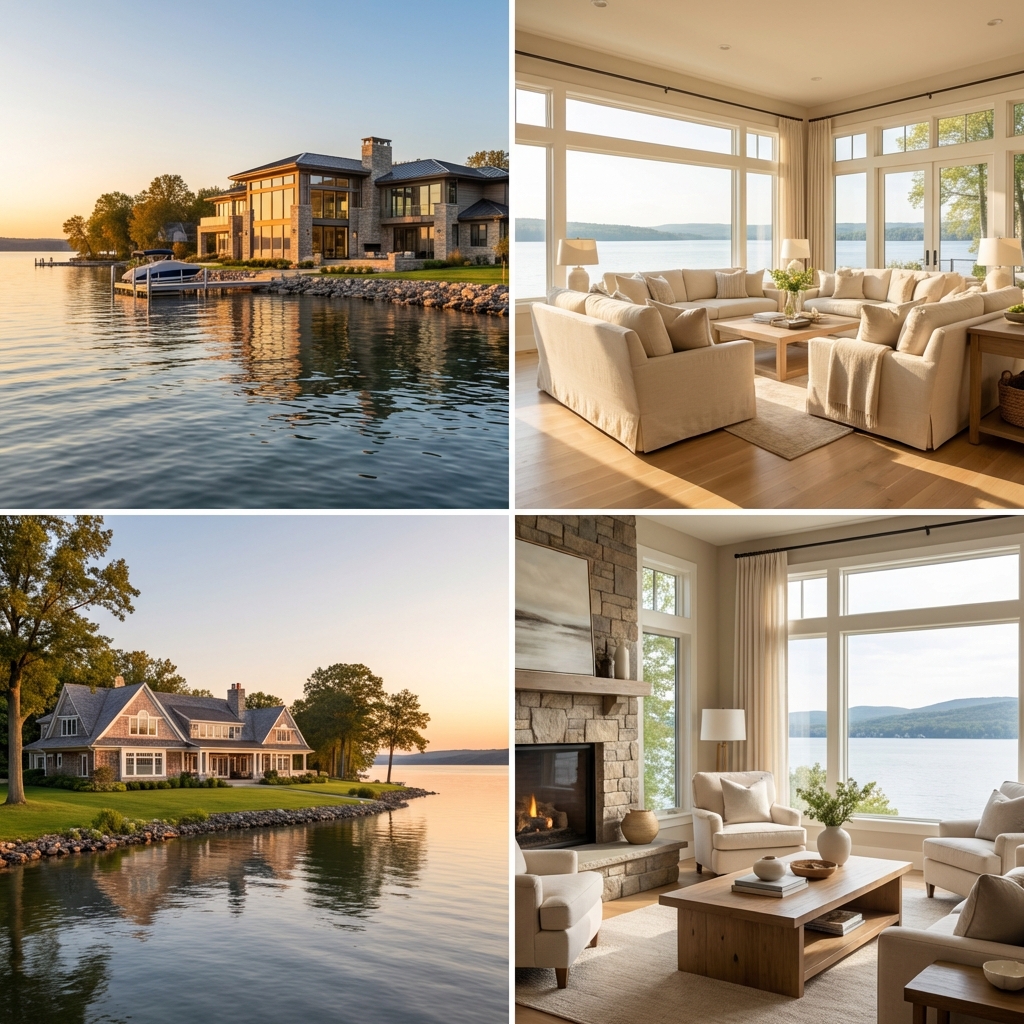
Marine and shoreline projects require special expertise. Seawall replacements, hoist installations, and revetment upgrades interact with permitting from state and possibly federal entities. Lead times are real; integrating design, engineering, and regulatory steps into the schedule preserves seasonal windows and prevents costly delays.
A seasoned real estate advisory team can be a helpful first call when building your roster. The Deanna Nissen Real Estate Team maintains relationships with trusted specialists across the Finger Lakes and Western New York, narrowing the field to vendors who understand premium estates and the expectations that come with them.
Financial Oversight and Budget Management
Financial clarity underpins great luxury home property management. Owners should expect reliable budgets, transparent reporting, and documentation that stands up to audit. The numbers tell the stewardship story—what’s routine, what’s preventive, and what’s strategic.
Core financial practices include:
- Annual operating budgets that reflect seasonality (e.g., dock work, snow contracts, heating loads) and local pricing trends
- Reserve planning for capital projects like roofing, shore stabilization, major mechanical refreshes, and boathouse renovations
- Invoice controls and approval workflows with three-way matching (proposal, completion confirmation, invoice)
- Monthly statements with categorized spend, variance analysis, and year-to-date tracking
- Vendor 1099 issuance and W‑9 collection; certificate of insurance tracking with expiration alerts
- Cost benchmarking against comparable properties to highlight savings opportunities
Strategic investments often reduce long-term operating costs. High-performance dehumidification for lakeside levels, heat-pump retrofits with smart controls, and window/door upgrades can cut energy use while preserving finish integrity. Where rentals are permitted, occupancy-driven cost allocations and tax planning should be coordinated with a CPA familiar with New York requirements and, potentially, local lodging taxes.
Financial systems also support risk reduction. Documented maintenance logs for mechanicals and shoreline assets substantiate diligence for insurers and buyers. Capital plans tied to market insights—such as which improvements drive value in luxury estate management New York—ensure dollars are spent where they return the most.
Tenant Relations and Occupancy Management
Many luxury owners use their Finger Lakes homes seasonally and host family, friends, or corporate guests. Some pursue limited, compliant rentals to offset operating costs. Either scenario requires structured occupancy management to protect the home and the neighborhood’s tranquility.
A high-standard occupancy program covers:
- Calendar and access control: Centralized scheduling, pre-arrival checklists, and unique, time-limited access codes for each party or service provider
- House orientation: Digital manuals with appliance guides, watercraft rules, shoreline safety, dock lighting, and emergency contacts—tailored to the property
- Hospitality and standards: Hotel-level cleaning, linen programs, and supply par levels; pre-arrival inspections and post-stay condition reports with time-stamped photos
- Neighbor and community guidelines: Quiet hours, parking rules on narrow lakeside lanes, dock use policies, and fireworks or firepit restrictions communicated upfront
- Damage mitigation: Security deposits or damage waivers, documented handoffs, and rapid, fair resolution protocols
Short-term rental regulations vary by municipality. Some towns in the Finger Lakes allow limited stays with registration and safety requirements; others restrict or prohibit them. Compliance is non-negotiable—permits, occupancy caps, parking plans, and lodging tax remittance should be handled professionally. Noise monitoring devices that respect privacy (decibel-only, no recording) can support good neighbor relations.
Large estates—such as a Canandaigua lakefront home at 3419 West Lake Boulevard—often host multi-generational gatherings. Thoughtful staffing ensures smooth turnovers and quick resets of specialized spaces like theater rooms, gyms, and saunas. The objective is consistent five-star experiences that also protect the investment.
Insurance and Risk Management Considerations
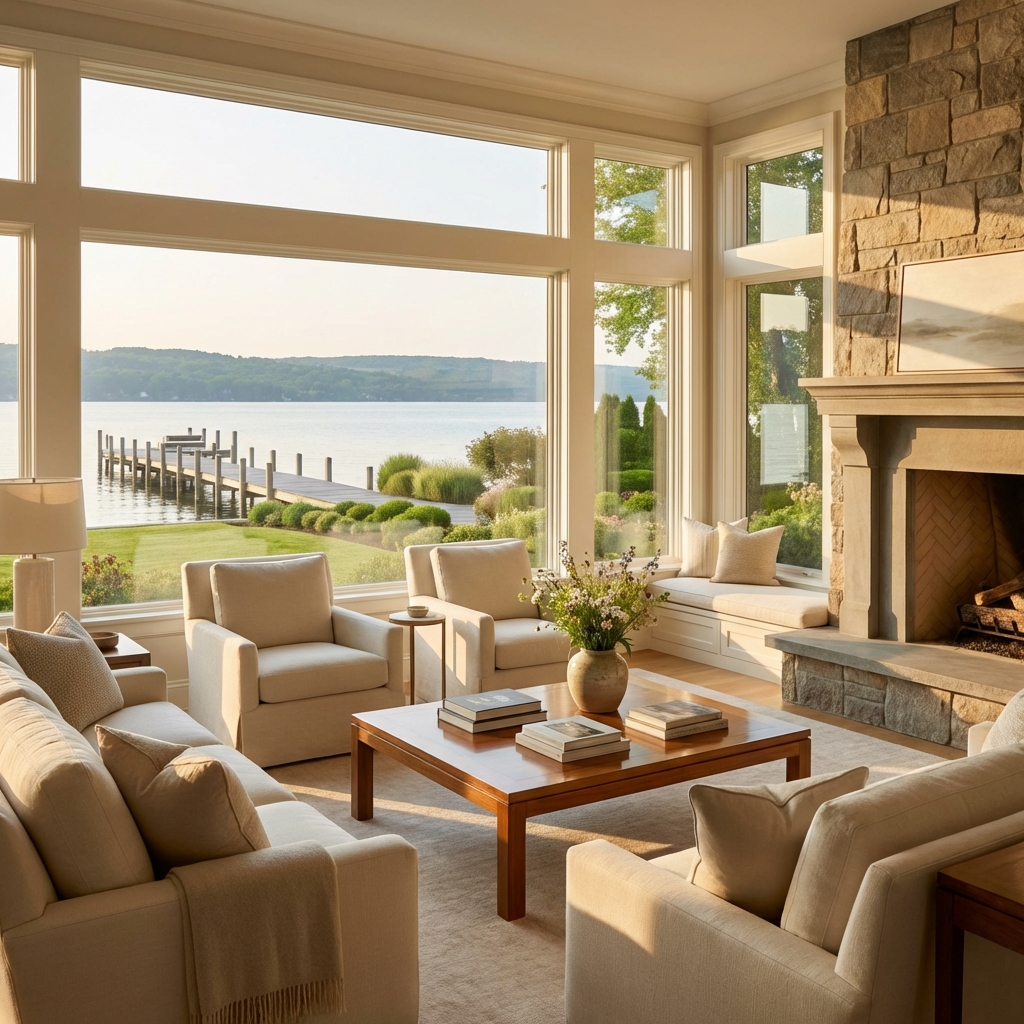
Insurance for high-end homes must match actual replacement costs, unique exposures, and usage patterns. Too often, coverage is built on outdated valuations or standard endorsements that don’t reflect waterfront realities.
Key coverage elements to review with a knowledgeable broker include:
- Replacement cost accuracy: Annual recalibration for custom millwork, imported stone, specialty glazing, and escalating construction costs in New York
- Water perils: Distinctions among flood, surface water, seepage, and sewer backup/overflow; appropriate endorsements and sump pump coverage
- Marine and shoreline: Dock, hoist, and boathouse coverage; watercraft liability with adequate limits and umbrella coordination
- Ordinance or law: Code upgrade coverage for partial-loss scenarios, especially in older or historically significant estates
- Personal articles: Scheduled coverage for fine art, wine collections, jewelry, and high-value electronics
- Domestic staff: Workers’ compensation and employment practices liability where applicable
- Vacancy clauses: Clear understanding of how extended unoccupancy affects coverage and required inspections or alarm monitoring
- Construction: Builder’s risk policies during major renovations and strict vendor COI requirements naming the owner as additional insured
Risk engineering complements insurance. Leak detection with automatic shutoff, low-temperature alarms, lightning protection on exposed waterfront structures, and wildfire/ember-resistant venting where relevant reduce loss probability. Maintain a video inventory of rooms and systems, store critical records offsite or in the cloud, and document routine maintenance. This level of preparation streamlines claims and demonstrates prudent ownership.
Preserving Property Value Through Professional Care
The ultimate test of premium property care solutions is value preservation. Buyers and appraisers in the luxury segment reward homes that show consistent stewardship—tight envelopes, quiet mechanicals, crisp water edges, and immaculate interiors translate into confidence and price.
Consider the following value-forward strategies:
- Preventive maintenance logs: Organized, transferable records for mechanicals, roofs, shoreline structures, and finishes. Transparency reduces buyer risk perception.
- Material choices aligned to environment: Marine-grade fasteners, corrosion-resistant fixtures, appropriate sealers for stone, and UV-stable coatings reduce premature aging on the water.
- Environmental stability: Whole-home humidity control to protect floors and millwork; targeted ventilation for boathouses, spas, and locker rooms prevents hidden mold issues.
- Shoreline health: Proactive erosion management and native plantings stabilize banks and improve water quality, while meeting regulatory expectations that will surface during sale diligence.
- Thoughtful upgrades: High-impact improvements—custom dock solutions, energy-efficient glazing, or advanced water treatment—often appraise better than purely cosmetic changes in lake markets.
- Aesthetic continuity: Designer-level housekeeping, regular window washing, and seasonal exterior refreshes keep the estate showing-ready year-round.
Market-savvy guidance connects care decisions with resale outcomes. The Deanna Nissen Real Estate Team pairs in-depth local knowledge with professional valuation insight so owners can prioritize projects that resonate with discerning Finger Lakes buyers. When the time comes to list, a home that has been expertly managed is easier to market, faster to transact, and better positioned to achieve a premium.
Conclusion: Investing in Professional Management Excellence
Exceptional homes deserve exceptional management. In the Finger Lakes and Western New York, luxury home property management protects complex assets, orchestrates specialized waterfront care, ensures secure and compliant occupancy, and documents a standard of stewardship that holds its value over time. The difference shows up in fewer emergencies, better guest experiences, controlled costs, and stronger negotiating positions when refinancing or selling.
Whether you are acquiring a new lakefront residence, elevating standards at a legacy estate, or aligning operations before bringing a property to market, it pays to assemble the right team. The Deanna Nissen Real Estate Team helps owners navigate these decisions—connecting them with trusted waterfront property management services, advising on high-end home maintenance in the Finger Lakes, and aligning care plans with long-term real estate goals. Explore how disciplined, premium property care solutions can enhance your lifestyle today and your property value tomorrow at deannanissen.com.
Frequently Asked Questions (FAQ)
What services are typically included in luxury home property management?
A manager creates and executes a preventive maintenance plan, oversees vetted vendors, coordinates seasonal tasks like dock installation/removal and winterization, and provides 24/7 emergency response. They also manage housekeeping and grounds, schedule inspections, and handle financials—budgets, invoices, and reserve planning—with transparent reporting. Compliance with HOA, shoreline, and local code requirements is tracked to avoid fines and delays.
How is managing a waterfront estate in the Finger Lakes different from a non-waterfront home?
Waterfront care adds shoreline stabilization and erosion control, dock and lift inspections, and maintenance of lake-fed water or filtration systems. Managers plan around ice heave, fluctuating lake levels, and wake damage, and they decontaminate equipment to limit invasive species. Many in-water projects require permits (e.g., NYS DEC and local municipalities), and regular water-quality testing is advised for swim areas.
What seasonal maintenance should Finger Lakes luxury homeowners plan for?
Fall: blow out irrigation, winterize exterior plumbing and pools, remove or secure docks/lifts, service generators, and clear gutters. Winter: monitor interior temperature/humidity, prevent ice dams, manage snow and roof loads, and perform scheduled vacant-home checks. Spring: reinstall docks/lifts, de-winterize systems, inspect septic, repair shoreline damage, and service HVAC. Summer: tune cooling systems, test and treat water features, reseal decks and hardscapes, and schedule proactive pest control.