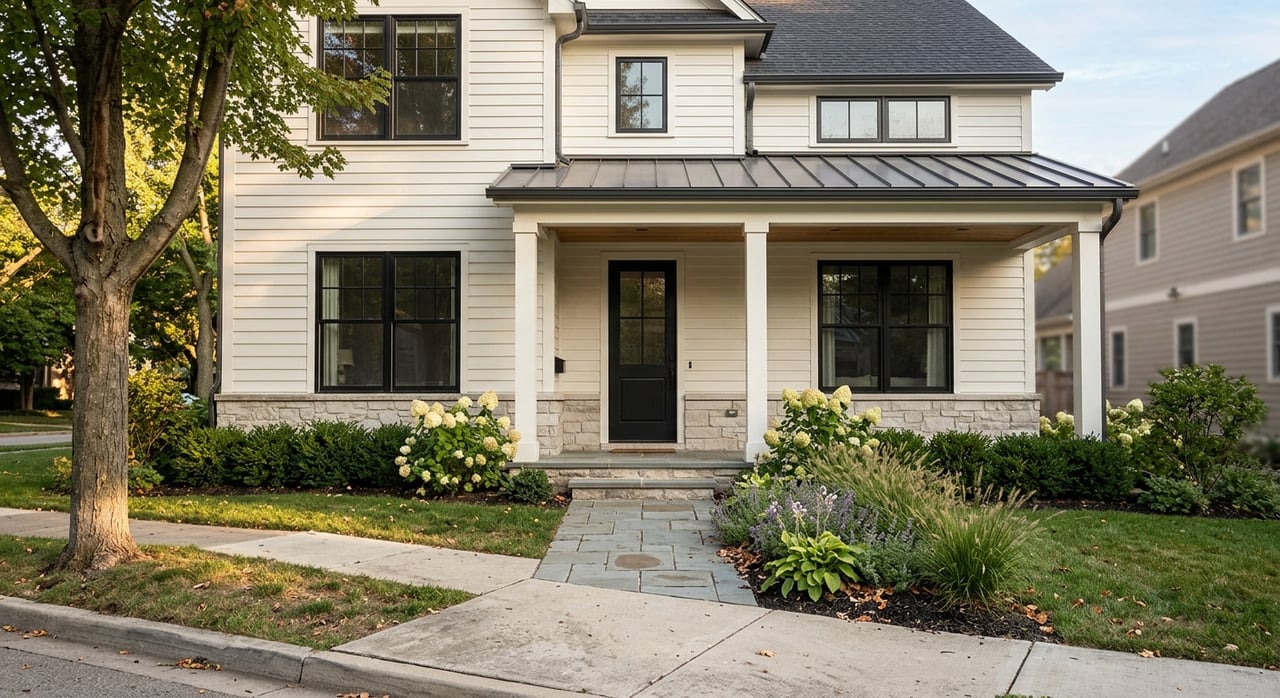
If you are deciding between a home near Main Street and one closer to Canandaigua Lake, you are really choosing how you want your days to feel. Some buyers want walkable errands and an easy in-town routine, while others picture weekends shaped by boating, fishing, and time by the water. The good news is that Canandaigua offers both, and each setting has clear strengths. Here is how to compare them so you can choose the one that fits your lifestyle best.
Start With Your Daily Routine
The simplest way to choose between in-town Canandaigua and lakeside living is to think about your normal week, not just your dream weekend. A beautiful lake view can be a major draw, but so can being able to walk to parks, shopping, or a quick dinner downtown. Your best fit usually comes down to what you want most often.
In Canandaigua, the city itself treats downtown and the waterfront as a connected corridor along Main Street and Lakeshore Drive. Even so, buyers tend to experience them differently in everyday life. In-town homes often support convenience and walkability, while lakeside properties usually center more on recreation and access to the water.
Choose In-Town for Everyday Convenience
If you like the idea of stepping out your door and getting to daily stops without much driving, in-town living may feel like the better match. Current Main Street examples point to walkable access to city parks, the library, restaurants, shopping, churches, and Kershaw Park. That kind of setup can make a big difference in how easy your routine feels.
Downtown parking also tends to be more forgiving for everyday use. The city owns and maintains municipal parking lots that provide free short-term and long-term parking. In the city's 2022 downtown and waterfront parking study, downtown supply was described as underutilized, which suggests less pressure for routine errands and visits.
For many buyers, this setting works well if you value:
- Walkability for day-to-day needs
- Easier errands and dining out
- Historic street character
- Access to downtown amenities
- A more convenience-driven lifestyle
Choose Lakeside for Recreation and Scenery
If you picture your home life revolving around the lake, the waterfront side of Canandaigua may be the stronger fit. The city's waterfront planning emphasizes access, circulation, and resilient park infrastructure. Nearby amenities also support an active outdoor lifestyle.
Canandaigua Lake State Marine Park offers year-round boat launch and fishing access. City rules also allow fishing from Kershaw Park, Lakefront Park, the City Pier, and Lagoon Park. If being close to the water is part of your daily or seasonal routine, that can shape your decision more than almost anything else.
Lakeside properties often appeal to buyers who want:
- Water views and a scenic setting
- Boating, fishing, or shoreline access
- Recreation-focused amenities
- Condo options with shared features like a pool or beach access
- A lifestyle built more around leisure than errands
Compare Parking and Seasonal Activity
Parking may not be the first thing you think about when comparing settings, but it can affect how a home feels in real life. In Canandaigua, downtown and waterfront areas do not always behave the same way, especially during busy times of year. That matters if you expect guests, frequent outings, or regular waterfront use.
The city's 2022 study found that waterfront parking utilization peaked on weekends at 80%. It also found no weekday parking supply problem in the waterfront area, but weekend and peak-season patterns are still worth noting. In plain terms, lake-adjacent areas can feel busier when activity ramps up, while downtown tends to be more flexible for routine use.
Understand Price Ranges Before You Decide
Many buyers assume lakeside always means far more expensive, but the market is more layered than that. In ZIP code 14424, the broader market shows a median asking price of $479,900, 109 listings, a median 21 days on market, a $267 per-square-foot benchmark, and a 102% sale-to-list ratio. Zillow's 14424 data also shows an average home value of $361,089 and 48 homes for sale.
Waterfront inventory is more limited and has a much wider price spread. Current portal results show a narrower pool of waterfront listings, with examples ranging from a $234,900 studio condo to condo listings between roughly $269,500 and $848,800, up to a $2.495 million house. That means waterfront is not one single product type. It can include condos, attached living, and high-end lakefront homes.
In-town examples overlap with the lower and middle parts of the market. Current examples include a Chapel Street home at $170,000, a North Main Street home that had been listed at $325,000 and later sold for $265,000, and another North Main Street property with a Zestimate of $471,500. The practical takeaway is simple: lake access does not automatically cost more than every in-town option, but true waterfront frontage and premium views usually raise the ceiling.
Think Beyond Price to Ownership Style
Price matters, but so does the kind of ownership experience you want. A downtown home and a lakeside property can ask very different things of you after closing. This is where many buyers gain clarity.
With lakeside ownership, the conversation often expands beyond the house itself. You may need to think about shoreline conditions, outdoor maintenance, water-edge improvements, and how the site interacts with the lake. The city even shares resources like Healthy Lawns for a Healthy Lake, which shows how often lake-adjacent ownership connects to land and shoreline stewardship.
Know the Extra Layers of Waterfront Ownership
If you are considering a lakefront or near-lake property, it is smart to ask early about permits and flood status. New York DEC's Lakes and Shorelines General Permit covers projects such as shoreline stabilization, dock installation or repair, access ramps, dredging, and some water-dependent structures. Some residential docks may be exempt, but certain projects still require review or permits.
That does not mean waterfront ownership is a bad idea. It simply means you should go in with clear expectations. If you plan to change the shoreline, add structures, or make improvements near the water, permit review should be part of your planning.
Flood review also belongs in the conversation. FEMA advises owners to check flood maps and consult the local floodplain administrator because flood risk can change over time. Not every near-lake property is high-risk, but verifying flood status before you buy is an important step.
Expect Different Upkeep In-Town
In-town ownership often shifts the focus away from docks and shorelines and toward the house itself. Many downtown-area homes have age and character, which can be a major draw. At the same time, older homes may bring different upkeep needs and renovation considerations.
Canandaigua has district-specific architectural standards for Downtown and South Main Street, and current Main Street examples include homes built in 1850 and 1900. That means if you are buying in-town, you may want to pay close attention to condition, renovation plans, and any applicable standards. In other words, the extra thought goes less toward the water and more toward the structure, lot, and updates.
Ask Which Lifestyle Fits You Best
When buyers feel torn between these two settings, the most helpful question is usually not, "Which one is better?" It is, "Which one fits the way I actually live?" That shift makes the decision easier and more practical.
In-town Canandaigua often suits buyers who want walkability, easier errands, and downtown character. Lakeside living often suits buyers who want scenery, boating or beach access, and a recreation-first atmosphere. Neither is universally better. The right choice depends on whether you want your home base to support convenience or waterfront lifestyle more strongly.
A quick self-check can help:
- Do you want to walk to restaurants, parks, and daily stops?
- Do you expect to use lake access regularly, not just occasionally?
- Are you comfortable with possible permit checks for waterfront improvements?
- Would you rather maintain an older in-town home or a property with shoreline considerations?
- Do weekend crowds near the water bother you, or do they feel energizing?
Make a More Confident Canandaigua Decision
The strongest home choice usually comes from matching your setting to your habits, budget, and comfort with upkeep. In Canandaigua, downtown and lakeside each offer a distinct version of living, and both can be excellent depending on your goals. Once you know what matters most to you, the decision becomes much clearer.
If you want expert guidance comparing in-town homes, waterfront options, and everything in between, Deanna Nissen Real Estate offers personalized support backed by local market knowledge and a calm, detail-focused approach.
FAQs
Is in-town Canandaigua more walkable than lakeside areas?
- Yes. Current Main Street examples point to walkable access to parks, the library, restaurants, shopping, and Kershaw Park, making in-town living the more walkable choice for many buyers.
Are Canandaigua waterfront homes always more expensive than in-town homes?
- No. Current waterfront listings include condo-style options under $500,000, while premium lakefront homes can reach well above $2 million.
What should buyers check before buying a Canandaigua lakefront home?
- Buyers should check whether planned shoreline or dock work may need DEC review or permits and should verify flood status early in the process.
Is parking easier in downtown Canandaigua or near the waterfront?
- Downtown tends to be easier for everyday use because municipal lots offer free parking and the city's study found downtown supply underutilized, while waterfront parking peaks on weekends.
What kind of maintenance differences exist between in-town and lakeside Canandaigua homes?
- In-town homes often involve older-home upkeep and possible renovation standards, while lakeside homes may add shoreline, dock, and water-edge maintenance considerations.